
Planning a family safari in Kenya involves several important decisions. One of them is whether to choose a private safari or join a shared safari.
Both arrangements offer opportunities to explore Kenya's wildlife destinations, enjoy guided game drives and experience the country's landscapes. The difference lies in how the journey is organised and how much of the experience can be shaped around the people travelling.
On a private safari, your family has exclusive use of its safari vehicle and guide, with greater flexibility over daily arrangements. On a shared safari, you travel alongside other guests, following a schedule that accommodates the group.
Understanding this difference can help you decide which arrangement best supports your family's interests, preferences and reasons for visiting Kenya.
What Is a Private Safari?
A private safari is a travel arrangement in which your family or travelling party has exclusive use of a safari vehicle and its assigned guide.
Your family shares the experience with the people you have chosen to travel with.
For example, visiting the Maasai Mara with your children, your family might be particularly interested in big cats, while your children are curious about elephants and how animals care for their young.
With a private vehicle, your guide can take these interests into account when planning and conducting your game drives.
If your children become especially interested in watching a family of elephants, you may have more opportunity to spend time observing them, provided wildlife conditions and park regulations allow.
Private travel also gives your family greater flexibility in deciding when to begin activities, how long to spend on them and when to return to camp.
The central benefit is the ability to shape the experience around your travelling party.
It is worth understanding, however, that a private vehicle and a fully bespoke safari are two different things.
A private vehicle gives your family exclusive use of the transport and guiding arrangements. A bespoke safari goes further by designing the wider journey around your family's interests, travel preferences, accommodation needs and purpose for travelling.
What Is a Shared Safari?
A shared safari is an arrangement where individual travellers or separate travelling parties join the same safari departure.
Guests typically share a vehicle and guide, and follow a planned route and schedule.
For example, your family might join other travellers for a morning game drive in the Maasai Mara.
The guide considers the interests of everyone in the vehicle. The group follows agreed departure times, activity durations and return arrangements.
This can be an enjoyable experience for travellers who appreciate meeting new people and sharing their wildlife discoveries.
It can also make some safari arrangements more economical because vehicle and guiding costs are shared among participants.
The important consideration for families is that decisions affecting the day's experience must accommodate other guests.
A shared safari is designed to serve a group of travellers. A private safari can be arranged around one travelling party.
Private vs Shared Safari: Five Differences That Matter to Families
1. Who Shares Your Safari Experience?
On a shared safari, your family may travel alongside people you have never met before.
This creates opportunities for conversation, meeting fellow travellers and sharing different perspectives on wildlife.
On a private safari, your family travels together in its own vehicle.
This arrangement can be especially valuable for families who want to enjoy the experience in the company of their children, parents, grandparents or close friends.
Consider a family taking a safari to celebrate a grandparent's milestone birthday.
Their reason for travelling may extend beyond wildlife viewing. They may want time together, conversations between generations and shared memories from an important family occasion.
Having a private vehicle allows the game drives themselves to become part of that family experience.
What to consider: Would your family enjoy meeting and travelling with other guests, or would you prefer to keep the safari experience within your own travelling party?
2. How Much Flexibility Does Your Family Need?
Game drives often begin early in the morning because wildlife activity and viewing conditions can be particularly rewarding at these times.
On a shared safari, departure and return times generally follow a schedule agreed upon by the operator or group.
On a private safari, there is greater scope to arrange the day's activities around your family's preferences.
Imagine travelling with two children, aged six and twelve.
The older child may enjoy spending several hours looking for wildlife. The younger child may prefer shorter viewing periods with breaks between activities.
With a private vehicle, your guide can help adjust the day's arrangements to accommodate these different needs.
Another family, with teenagers who enjoy wildlife photography, might prefer longer game drives and more time observing particular animals.
Both families can benefit from private travel, but their ideal daily schedules may look very different.
Flexibility also operates within the rules of the destination. Park opening hours, permitted routes, wildlife protection measures and safety requirements still apply.
What to consider: How important is it for your family to influence departure times, activity durations and the balance between exploration and rest?
3. How Are Your Family's Interests Considered?
Every family arrives in Kenya with different expectations.
Some are particularly interested in seeing predators. Others want their children to learn about wildlife conservation, animal behaviour or the relationship between local communities and the natural environment.
On a shared safari, the guide must consider the interests of the wider group.
On a private safari, your family's interests can play a greater role in guiding the experience.
For example, if your children are fascinated by giraffes, your guide may be able to spend more time explaining how giraffes feed, move and interact.
If another family enjoys photography, their guide can consider suitable light, viewing positions and opportunities to observe animal behaviour.
The wildlife remains unpredictable, and sightings can never be guaranteed. What changes is the opportunity to respond to your family's interests as the experience unfolds.
What to consider: Are there particular wildlife encounters, learning opportunities or activities your family would like to prioritise?
4. How Do the Arrangements Affect Your Family's Comfort?
Comfort during a safari involves more than the quality of your accommodation.
It also includes the practical details of travelling together.
Consider the space available in your vehicle, the seating arrangements, the ages of your children and how easily the family can communicate its needs to the guide.
On a shared safari, the vehicle is occupied by several travellers, and the available space and seating arrangements depend on the operator.
On a private safari, the vehicle is reserved for your family.
This allows the arrangements to be considered in relation to your group's size, ages and preferences.
For families travelling with young children, this might include planning suitable breaks and having familiar family members together throughout the drive.
For multigenerational families, it may involve considering mobility, boarding comfort and how different generations prefer to spend their time.
Private travel creates more opportunities to make these arrangements personal, although the specific vehicle and facilities should always be confirmed before booking.
What to consider: What practical arrangements would help everyone in your family enjoy the experience comfortably?
5. How Does Each Arrangement Influence the Value of Your Safari?
A shared safari generally distributes vehicle and guiding costs among several travellers.
A private safari reserves those services for your travelling party, which usually involves a greater investment.
However, the difference in price is only one part of the decision.
The more useful question is what each arrangement makes possible for your family.
Consider two families visiting the Maasai Mara.
One family enjoys meeting new people, follows a planned daily schedule comfortably and looks forward to sharing wildlife experiences with fellow travellers.
Another family is visiting Kenya to celebrate an important occasion. They want private time together, activities that reflect their children's interests and the freedom to adjust their daily plans.
Both families may visit similar places and encounter similar wildlife.
Yet the arrangement that delivers the greatest value to each family could be different.
Value depends on how well the experience supports what matters to the people taking the journey.
Private vs Shared Safari: A Quick Comparison
| Consideration | Private safari | Shared safari |
|---|---|---|
| Safari vehicle | Reserved for your travelling party | Shared with other guests |
| Guide | Dedicated to your travelling party | Serves the group |
| Daily schedule | Greater flexibility within operational rules | Generally follows a group schedule |
| Wildlife interests | Can be prioritised around your family | Balanced across the group |
| Privacy | Your travelling party enjoys the vehicle privately | Wildlife experiences are shared with other guests |
| Investment | Exclusive vehicle and guiding costs | Costs distributed among participants |
| Social experience | Time with your chosen travelling companions | Opportunities to meet fellow travellers |
These are typical differences. The precise arrangements depend on the operator, accommodation and itinerary.
Does a Private Safari Mean Your Entire Journey Is Bespoke?
This is another distinction worth understanding before booking.
A private safari can still follow a standard itinerary.
For example, an operator may offer a fixed five-day route visiting predetermined destinations and lodges, but provide a private vehicle for your family.
You enjoy the privacy of travelling together, while the wider journey remains largely predetermined.
A bespoke safari begins earlier in the planning process.
Rather than starting with a route, the journey designer first seeks to understand the people travelling.
That includes:
Why your family wants to visit Kenya.
Who will be travelling and their ages.
The experiences that interest different family members.
Your preferred activity levels and travel style.
Accommodation and practical requirements.
The moments you hope to share and remember.
These considerations then inform the destinations, accommodation, experiences, travel arrangements and length of stay.
For example, a family introducing young children to wildlife may benefit from a different combination of destinations and activities than a multigenerational family celebrating a milestone anniversary.
Both can travel privately. Their bespoke journeys should reflect their different priorities.
At Souls Connection Safaris, this understanding forms the foundation of designing private family journeys through Kenya.
Which Safari Arrangement Is Right for Your Family?
The most suitable choice depends on the experience your family wants.
A shared safari may suit travellers who enjoy meeting others, appreciate an established schedule and are comfortable sharing decisions about the day's activities.
A private safari may be particularly suitable for families who value privacy, want to prioritise specific interests or prefer greater flexibility in their daily arrangements.
If you are considering a private family safari, begin with these questions:
Who will be travelling? Consider the ages, interests and practical needs of everyone joining the journey.
Why are you taking this safari? Think about the occasion, purpose or experience bringing your family to Kenya.
How would you like to spend your days? Consider your preferred balance of game drives, other activities and time together.
What experiences matter most? Identify the wildlife, destinations and activities your family is especially interested in.
How important is privacy? Consider whether your family would prefer exclusive guiding and transport throughout the wildlife experience.
Your answers will help you evaluate the different arrangements with greater clarity.
Choosing between a private and shared safari is about understanding how each arrangement will influence your family's experience in Kenya.
Both can offer rewarding wildlife encounters, knowledgeable guiding and opportunities to explore remarkable destinations.
The difference lies in how the journey is organised, whose preferences guide the daily decisions and how much flexibility your family has throughout the experience.
For families considering a significant safari investment, these details deserve attention.
At Souls Connection Safaris, the starting point is understanding the people travelling and what they hope their time in Kenya will give them.
Planning a private family safari in Kenya?
Complete your Family Safari Brief to share who will be travelling, what matters to your family and the experiences you hope to enjoy.
Your hosts will use those details to begin shaping a journey around your family.
One family. One safari. Custom by design.
Our Recommendations
Journeys of Connection
Explore how a private Kenya journey could take shape around your family's reasons for travelling.
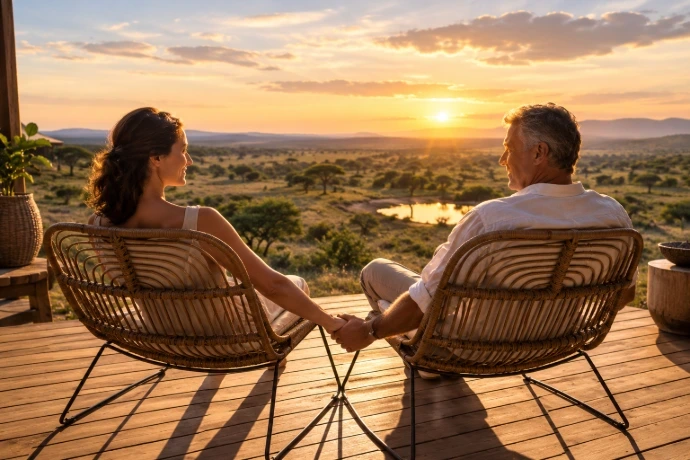
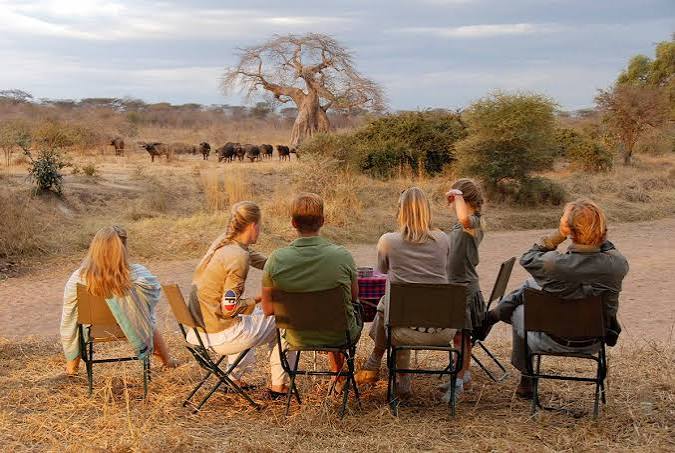
Discover Kenya together
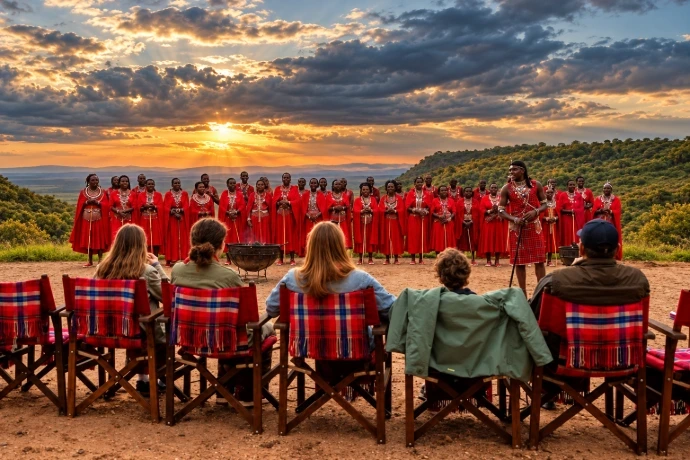
Shared moments across ages